


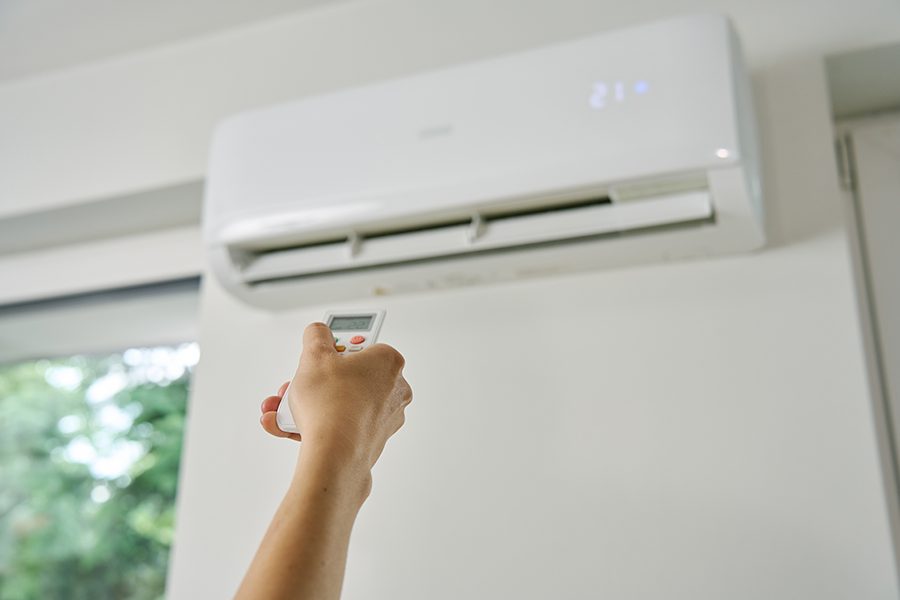
On July 30, a significant milestone was reached in the decontamination of the Metropolitan Region, specifically in the municipality of Tiltil, with the 1,000th replacement of a wood-burning stove. The initiative, part of Anglo American's emissions compensation plan for its Los Bronces Integrado mining project, replaces old stoves with efficient heating and cooling equipment. The University of Santiago de Chile and Harvard University are collaborating to lead a scientific study that will measure the environmental impact of this replacement.
The event brought together former Finance Minister Mario Marcel, company executives, and various authorities. Also present was Dr. Ernesto Gramsch, a physics professor at Usach's Faculty of Science, who is the project's operational lead. In a collaboration that has lasted over 20 years, his team from Usach and Harvard University is measuring and analyzing air quality in homes and at fixed monitoring stations as part of their research.
Revised Quote
"It was a very pleasant and positive day. It's not often we reach a milestone like the 1,000th replacement. In a joint effort with Harvard, we will now measure and analyze the actual impact of the replacement on air quality. We're generating scientific evidence to assess its long-term environmental benefits.,” said the academic.
Dr. Gramsch's team, which comprises university graduates and both undergraduate and graduate students, will monitor 16 homes over four years. They plan to measure particulate matter inside and outside the homes to gather critical data. In addition, the project includes permanent monitoring at three fixed sites in the Metropolitan Region: Talagante, Parque O'Higgins, and Calera de Tango.
Enel X is handling the replacement, which involves replacing over 57,000 wood-burning heaters with new ones for free over a period of seven years. According to figures from the Ministry of Finance, the initiative will generate estimated benefits of approximately US$1.5 billion in total, considering health savings through improved air quality inside and outside the home and the reduction of respiratory and cardiovascular diseases.
Usach and Harvard plan to continue their collaboration on future research, including a study to evaluate the public health impact of improved air quality. “We are exploring the possibility of expanding this collaboration to directly study whether these measures have an impact on people's health,” said Dr. Gramsch.
The cooperation among Anglo American, Usach, Harvard, and other organizations demonstrates the importance of a coordinated effort from the private, public, and academic sectors to address the nation's challenges. The Faculty of Science continues to consolidate its commitment to applied research and innovative solutions through the participation of its physics department professor.